Q&A With Cassandra Jessop Of CJ Sport Horses
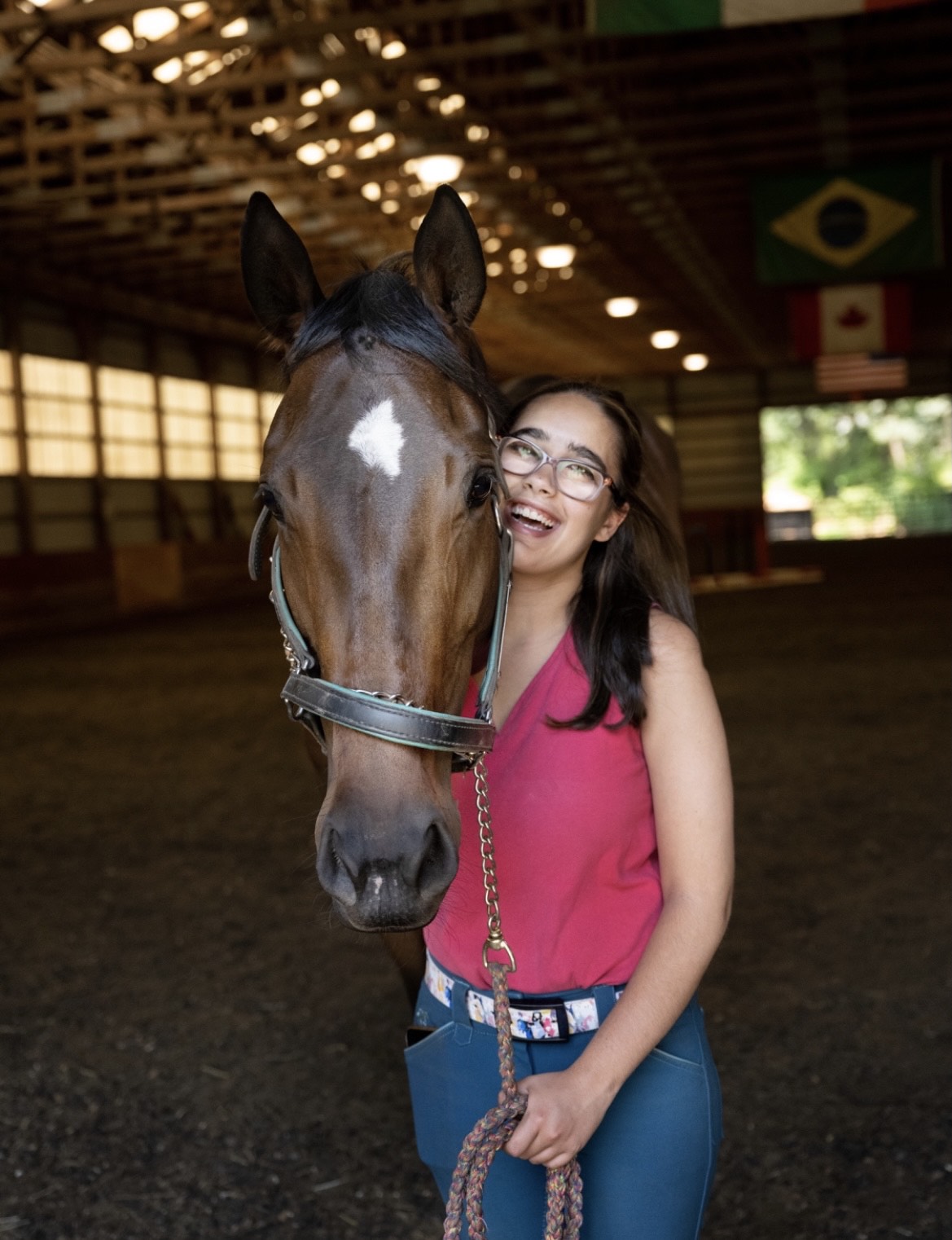

DIANA: What first drew you to high-level dressage and breeding, and how have those two areas of your business evolved throughout the years?
CASSANDRA: I was first drawn to high-level dressage because of the elegance and harmony of a well-ridden test. There is something incredibly powerful about the partnership between horse and rider when it is done correctly. I’ve also always been interested in bloodlines and the distinct types of horses they produce. Coming from a modest background, I didn’t have the opportunity to purchase ready-made horses with high potential, so I had to create them myself. That necessity ultimately shaped my career path and deepened my understanding of both training and breeding.
I began in the industry as a working student, which opened the door to riding opportunities. Riding a wide variety of horses helped me develop adaptability, which has been one of my greatest strengths. Over the years, I’ve had the opportunity to learn from several top international trainers, which has further expanded my knowledge and approach. My interest in breeding developed later. I began by building my knowledge in foaling, breeding and stallion management. The process is truly special, and it inspired me to build a program focused on producing quality horses with strong mental foundations.

DIANA: What trends are you currently seeing in Warmblood breeding?
CASSANDRA: In the Warmblood industry, there is a rise in costs to produce and a decrease in buyer demand. I’ve seen so many other breeders struggle with this, including myself. I believe that buyers are shifting away from foals/yearlings and wanting their prospects in the 3 - 4 year old range. I understand that there is more risk and cost involved in a yearling but when this cost is reflected in their pricing at 3 - 4 years old, buyers tend to shy away. This isn’t just inclusive to my program but all across North America this has become an issue for breeders.

DIANA: Developing a young horse to the Grand Prix level is a long journey. What do you believe are the most critical factors in producing a successful upper-level horse?
CASSANDRA: Temperament plays a large role in a horse’s success long term, high level competition requires harmony both physically and mentally from the pairing. A horse that is perfect for one rider may not mesh with another rider of equal knowledge and talent. Some naturally more anxious or stressed may have difficulty at this upper level and tension can lead to injury. Building a solid foundation of trust with the horse is essential, a naturally anxious horse can be calmed by the trusted rider. So it’s not necessarily the environment that makes or breaks the horse, it’s how harmonious the partnership is. Producing these performance horses with solid temperaments is my way of giving the riders a head start but also giving the horses a happier journey.
When choosing a mare and stallion, I not only look to the parent but also to their offspring as this will greatly reflect temperament patterns. A flashy horse is wonderful, but the focus in my program is to give the horses a grounding mental status from the start. Continuing this through their weanling stage is important, as it sets the standard for respect and confidence. Therefore, learning self regulation on the ground before it’s asked undersaddle. Custom foals are a great option for professionals to work alongside breeders to match their needs.

DIANA: What advice would you give to those looking to develop horses for the FEI levels in today’s market?
CASSANDRA: Don’t let movement immediately shape your decision. Although there are foundational quality moves that an FEI horse needs, looking to their temperament will also play a large role in their journey. How does the horse react to environmental changes? Is their natural reaction under stress to explode or internalize? Asking these questions before making the decision can not only set you up for success but also source qualities that match your riding. In truth, high level competition is stressful for both the horse and rider. I think especially in the Warmblood breeding world, this can often be overlooked. We need to be producing solid temperaments for our horses’ long term health and success.

DIANA: Is there a particular horse that had a lasting impact on your philosophy? What made that partnership so significant?
CASSANDRA: It’s hard to pick one, but I’d have to say my mare Mariska really shaped my program. She wasn’t the easiest mare or the fanciest, but she taught me patience and allowed me to grow through the levels. She is a prime example of one who can be successful up to the FEI level based on trust in the partnership without the eccentric movement. We competed at NAJYRC at the junior and young rider levels and then moved up to the U25 Grand Prix later in her career. After a few years at that level, she kicked off my breeding program in 2017. This mare has given me the opportunity to expand my knowledge in so many walks of life with her trust. She is now happily retired and still babysits the weanlings on occasion.

DIANA: What does a typical day look like for you?
CASSANDRA: A typical day in my life includes doing morning feed, getting my toddler ready for school, then continuing the morning chores. Once I’ve dropped him off, I work through the daily chores until 10:00am when my lessons typically begin. This includes many different levels of riders, I try to incorporate as much variety into my program as possible for longevity. I then move onto my training horses who experience diverse exercises for their mental development. Just because they are dressage horses doesn’t mean they can’t have fun over jumps or hacking. After that, I continue onto evening chores. Evening lessons usually end at 8:00pm and then foal watch starts!
Although the days are long, it is all worth it when I receive messages from clients or buyers with little updates about their journey. Whether it be performance related or just a quick update, it brings me back to why I started this.

DIANA: Outside of horses, what helps you reset?
CASSANDRA: I’m lucky enough to have a strong support system who grounds me. As important as it is for the horse, a clear mind brings success for the rider. I have a young toddler who really shifted my journey in the industry. All horse people know there isn’t truly an “outside of horses” for breeders and trainers. So finding moments that we can bond together through horses and make those lasting connections really grounds me.

DIANA: What is your favorite venue you’ve competed at or a dream venue you’d like to compete at?
CASSANDRA: My favorite venue would have to be the Kentucky Horse Park, where I competed at NAJYRC in 2013 and 2014. The atmosphere was incredible, the grounds are beautiful, and it brought together multiple disciplines. It holds a lot of special memories for me! A dream venue would be competing at Aachen, as well as riding in Versailles, where the 2024 Olympic equestrian events were held. Both represent the pinnacle of this sport and would be unforgettable experiences.
Cassandra Jessop
CJ Sport Horses
Cassandra Jessop is an international Canadian FEI Grand Prix dressage rider and EC Gold, Silver, and Bronze medalist. Ranked 30th in the world and 5th in Canada in the FEI U25 Grand Prix, she has earned championships across every level from Training through Grand Prix, including FEI Junior, Young Rider, Young Horse, Small Tour, and U25 Grand Prix.
A proven competitor and coach, Cassandra has guided students to international success, including a Team Canada Central bronze medal at NAYC.
In 2023, she claimed both the Canadian and Ontario Grand Prix Champion and Grand Prix Freestyle Champion titles, along with multiple national championships at the Third Level. She continues to compete at FEI levels while developing horses and riders from Training through Fourth Level.
In addition to her competition career, Cassandra runs a successful breeding program focused on producing rideable sport horses, now sought after by top FEI, Olympic, Para-dressage, and hunter-jumper riders. She has trained with leading international professionals and has presented at major equestrian events across North America, bringing a wealth of experience and horsemanship to her program.
Website: cjsporthorses.com


Written by Diana Bezdedeanu
A native of Westwood, Massachusetts, Diana Bezdedeanu is the founder and lead practitioner at Horses Offering People Education (HOPE in MA), an unmounted equine-assisted learning program. She has written for Sidelines Magazine, Community Horse, and Westwood Living. Diana is the proud owner of two retired bay off-the-track Thoroughbred mares, Coffee and London.
This article is from the April 2026 issue of Equine Business Magazine


Comments